
The New Depression: The Breakdown of the Paper Money Economy
22nd May 2012 - 5131 days ago
 When the United States stopped backing dollars with gold in 1968, the nature of money changed. All previous constraints on money and credit creation were removed, and a new economic paradigm took shape. Economic growth was no longer driven by capital accumulation and investment as it had been since before the Industrial Revolution. Instead, credit creation and consumption began to drive the economic dynamic.
Over the following four decades, total debt in the United States expanded fiftyfold to $50 trillion. That explosion of paper money–denominated debt transformed the world by generating unprecedented wealth, profits, jobs, and tax revenues. In 2008, however, that debt could not be repaid, and The New Depression began.
In The Dollar Crisis, Richard Duncan explained why a severe global economic crisis was inevitable given the flaws in the post–Bretton Woods international monetary system. In The New Depression, he introduces an analytical framework, the Quantity Theory of Credit, that explains all aspects of the calamity now unfolding: its causes, the rationale for the government′s policy response to the crisis, what is likely to happen next, and how those developments will affect asset prices and investment portfolios.
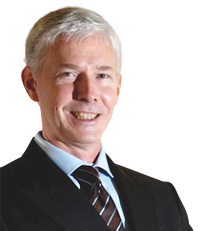
The economic system that has emerged following the abandonment of sound money requires credit growth to survive. Yet the private sector can bear no additional debt and the government′s creditworthiness is deteriorating rapidly. Should total credit begin to contract significantly, this New Depression will become a New Great Depression, with disastrous economic and geopolitical consequences. That outcome is not inevitable. This book describes what must be done to prevent it.
In The New Depression: The Breakdown of the Paper Money Economy, Richard Duncan introduces an analytical framework, The Quantity Theory of Credit, that explains all aspects of the calamity now unfolding: its causes, the rationale for the government' policy response to the crisis, what is likely to happen next, and how those developments will affect asset prices and investment portfolios.
go back to newspage
CSA News
- Joschka Fischer delivered excellence itself. Our top corporate investors were totally won over.
- Klaus Schweinsberg's message was perfect for our management meeting in Germany, totally engaging.
- Our group meeting loved Sahar Hashemi, she was totally engaging, inspiring us all with her great story.
- Don Strickland had excellent content in his speech and gave us some great examples to follow.
- José María Figueres has an excellent presence and quality, he had great interaction with the audience.
- Daniel Sieberg was excellent. He tailored his speech perfectly to our youth audience - top quality.